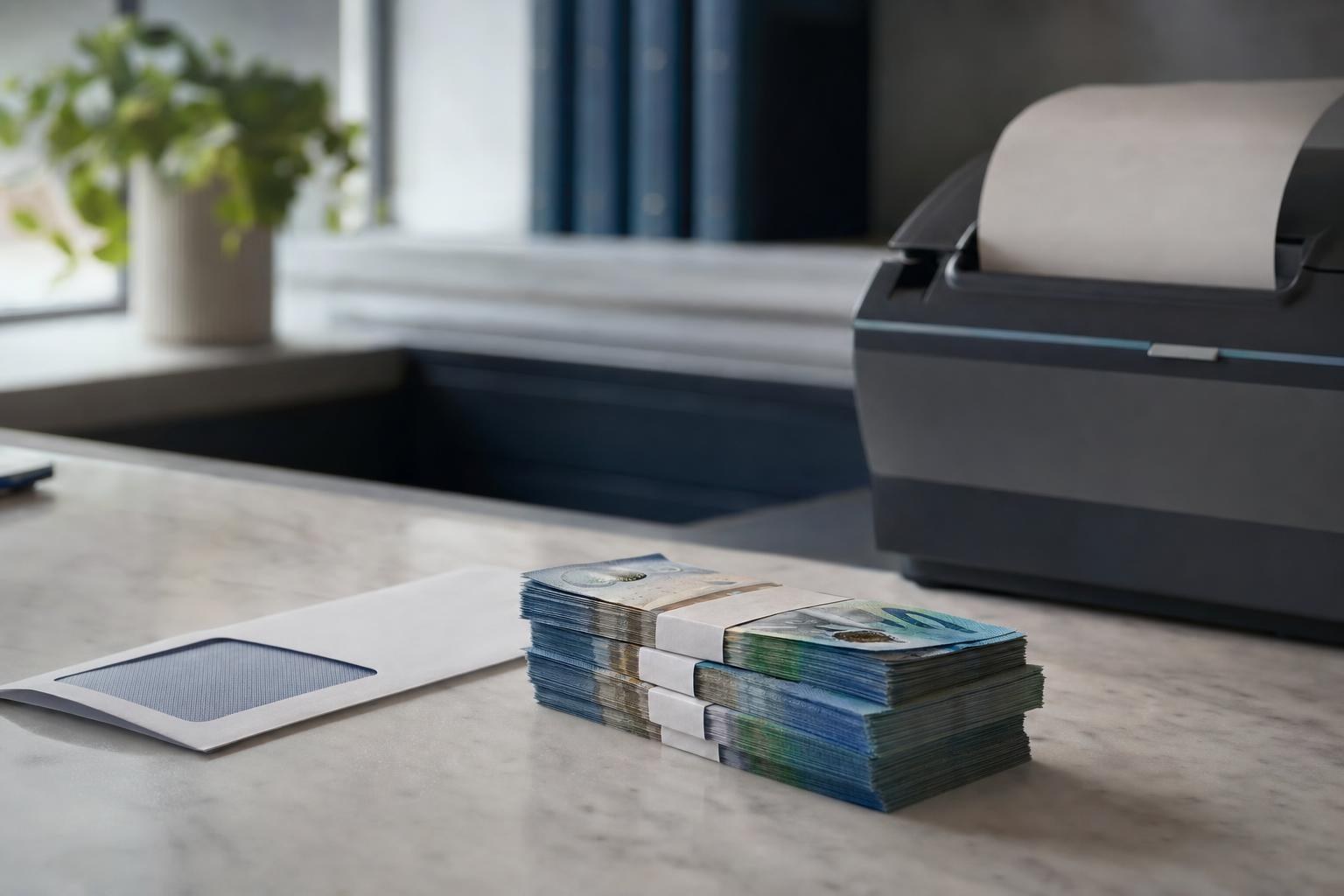
What triggers it
- Physical cash only: notes and coins. Bank transfers, cheques and cards do not.
- AU$10,000 or more in one transaction. Several smaller cash payments that look designed to stay under the threshold are not a TTR, but they are a classic reason for a suspicious matter report.
- As part of a designated service, for example a cash deposit you hold for a client's purchase.
What to record
- Date, amount and currency.
- Who paid or received it, with identification.
- What it was for.
- Who at the firm handled it.
The simplest policy
Most small accounting firms decide not to accept cash of AU$10,000 or more at all, state it in their program and never lodge a TTR. If you do accept cash, log every transaction the day it happens so the 10-day clock is visible.
Questions people ask
- A client pays my fees in cash, AU$12,000. TTR?
- Your own fees are not a designated service, so the TTR obligation does not attach in the same way, but large cash fees are a risk indicator worth recording, and structuring is a reason for an SMR. Check AUSTRAC guidance for your case.
This guide is general information for accountants, bookkeepers, BAS agents, not legal advice. Check AUSTRAC's current guidance for your situation.